Troubleshooting a Furnace That Won't Turn On
Staying comfortable in the Southern Utah heat can be both energy-efficient and cost-effective. Focus on proper insulation, intelligent temperature control, and regular AC maintenance. Make use of passive cooling, add window protection, and evaluate the perks of high-efficiency ductless units. Don't overlook the impact of smart landscape design, like strategic tree placement and reflective paving materials, which can minimize heat buildup. Ready to explore the details of turning your home into a summer oasis without maxing out your AC and increasing energy costs? Stay tuned!
Key Findings
Grasping the Essentials of Energy-Smart Cooling
Although many believe that maximizing the air conditioner is the single option to keep your home cool during summer, learning about the basics of energy-efficient cooling offers a different view. It's not merely about comfort, it's equally about energy conservation. Remember that cooling techniques like insulation, shading, and ventilation can substantially lower your energy usage. By adding proper insulation, you're stopping cool air from escaping, thereby reducing the need to continuously run your AC. Shading your windows, especially those facing the sun, can decrease heat gain. And ventilation, whether mechanical or natural, helps move air around, maintaining cooler temperatures. A more energy-efficient home isn't just economical, it's environmentally-friendly too.
Choosing the Best Air Conditioning Unit
Understanding energy-efficient cooling methods is a great foundation. But selecting the ideal air conditioning system is crucial to optimize these methods. Deciding between central and ductless requires careful thought. Central systems cool your entire home, while ductless units cool specific areas. Each type has its advantages, but ductless installations typically use less power if certain spaces see limited use. Check the energy ratings when selecting a system. Higher ratings indicate better efficiency, but typically require larger initial investment. It's about finding the right balance, but investing in high-efficiency equipment will save money long-term. Remember, the appropriate system helps manage that Southern Utah heat efficiently.
The Role of Insulation in Regulating Home Temperature
Though it might not be obvious at first, effective insulation plays a crucial role in regulating indoor comfort during the hot summer months. Insulation materials work by providing thermal resistance, slowing the rate of heat transfer from your home's interior to the hot exterior. This shows that the conditioned air created by your air conditioning system stays in your home longer, reducing the strain on your AC unit and saving you money on energy costs. It's important to opt for insulation with a high R-value, which signifies greater thermal resistance. From spray foam to fiberglass, the right insulation can make a world of difference in your home's summer comfort and energy efficiency.
Maximizing the Potential of Natural Ventilation
You can harness natural ventilation to help keep your home at a pleasant temperature and decrease your energy bills. By knowing how it works, you can maximize the advantages of cross-ventilation during the day. Additionally, adopting a nighttime ventilation method can provide significant cooling results when temperatures fall.
Exploring Natural Ventilation
Although it might appear complex, comprehending natural ventilation is actually quite simple. The focus is on controlling the natural flow of air in your home to ensure a pleasant environment while decreasing dependence on energy-intensive air conditioning. The essential factor is knowing the right time to open your windows and doors to welcome cooler air, and when to close them to keep the heat out. You'll need to understand various ventilation methods that can improve airflow, such as placing fans effectively and making channels for air to move freely. By utilizing the power of natural ventilation, you're not only reducing indoor temperatures, you're also contributing to a more sustainable future.
Maximizing Cross-Ventilation Benefits
To properly leverage the advantages of natural ventilation, it's important to enhance airflow advantages. This necessitates strategic window placement and utilizing cross ventilation strategies. When fitting windows, opt for those that are placed on opposing walls. This provides a flow path for air to flow freely across your home, creating natural cooling.
Furthermore, you can optimize this process by keeping open adjacent windows. This generates a cross breeze that can substantially reduce indoor temperatures. To optimize the benefits, make sure that the windows are free from obstacles, both internal and external, such as furniture or plants. By paying attention to these factors, you're making the most of natural ventilation and reducing your reliance on power-hungry cooling systems.
Night Ventilation Approach
Although summer days might feel blazing hot, nighttime usually provide an invigorating coolness you can use to your advantage. This is where a night cooling method becomes valuable. By utilizing the benefits of passive cooling, you can accomplish effective nighttime cooling and enhanced air circulation.
Start by unlocking windows and doors once the outside temperature decreases below the inside temperature. This encourages cool air to enter and push the warm air out, creating a natural air circulation. Then, as daybreak comes and the temperature begins to rise, close everything up to retain the cool air inside. Using this basic but efficient strategy can bring about a significant difference in keeping a pleasant and energy-efficient home during the sweltering Southern Utah summers.
The Critical Role of AC Maintenance
Many people don't know, but routine air conditioning service plays a pivotal role in stopping system failures during the hottest times of the year. Not only does it boost your AC's functionality, but it's also critical for maximizing the equipment's lifespan. So, let's talk about what makes this crucial to your household's power consumption.
Managing Network Capacity Issues
During hot summer days can drive your AC system to its limits, consistent servicing can help stop system failures. Think of your AC as a car. You wouldn't start a lengthy journey without checking the oil, right? The same applies to your air conditioning. Routine maintenance can maintain optimal performance, minimize the likelihood of failures, and promote energy conservation.
Essential preventive actions consist of replacing filters each month, cleaning the coils, and ensuring proper refrigerant levels. Ignoring these crucial maintenance steps can lead to system inefficiency, making your AC system to use more power and increase energy usage. Therefore, give your AC the attention it needs. Routine upkeep doesn't just minimizes system overloads but also extends its lifespan.
Boosting AC Efficiency
To ensure your AC functions at optimal levels, routine upkeep must be a top priority. Neglecting this can result in lower effectiveness and increasing bills. Prevent this from occurring. AC efficiency tips include periodically replacing or cleaning filters, verifying your system operates efficiently.
Upgrading your cooling system can make a significant difference. Installing a programmable thermostat enables you to adjust temperature settings, saving energy while you're away. It's also worth considering addressing duct leakage. Unsealed ducts may lose as much as 30% of your AC's efficiency.
To ensure optimal AC performance, you'll need to stay on top of maintenance and evaluate possible system improvements. You'll enjoy better indoor comfort and lower energy costs this summer.
Prolonging Equipment Durability
In addition to the direct benefits of lower power usage and financial advantages, routine AC maintenance also plays a pivotal role in prolonging the durability of your unit. Regular system upkeep goes beyond fixing problems as they arise; it's about preventing them. By routinely cleaning and inspecting your AC system, you minimize system strain, improve efficiency, and extend its lifespan. View it as an investment in longevity. Keep in mind, a regularly maintained AC unit performs more efficiently it lasts longer. So, don't overlook regular maintenance. It'll keep your system running smoothly, reduce your costs in the long run, and help you handle the Southern Utah heat competently and reliably.
Intelligent Thermostats: The Future of Energy Conservation
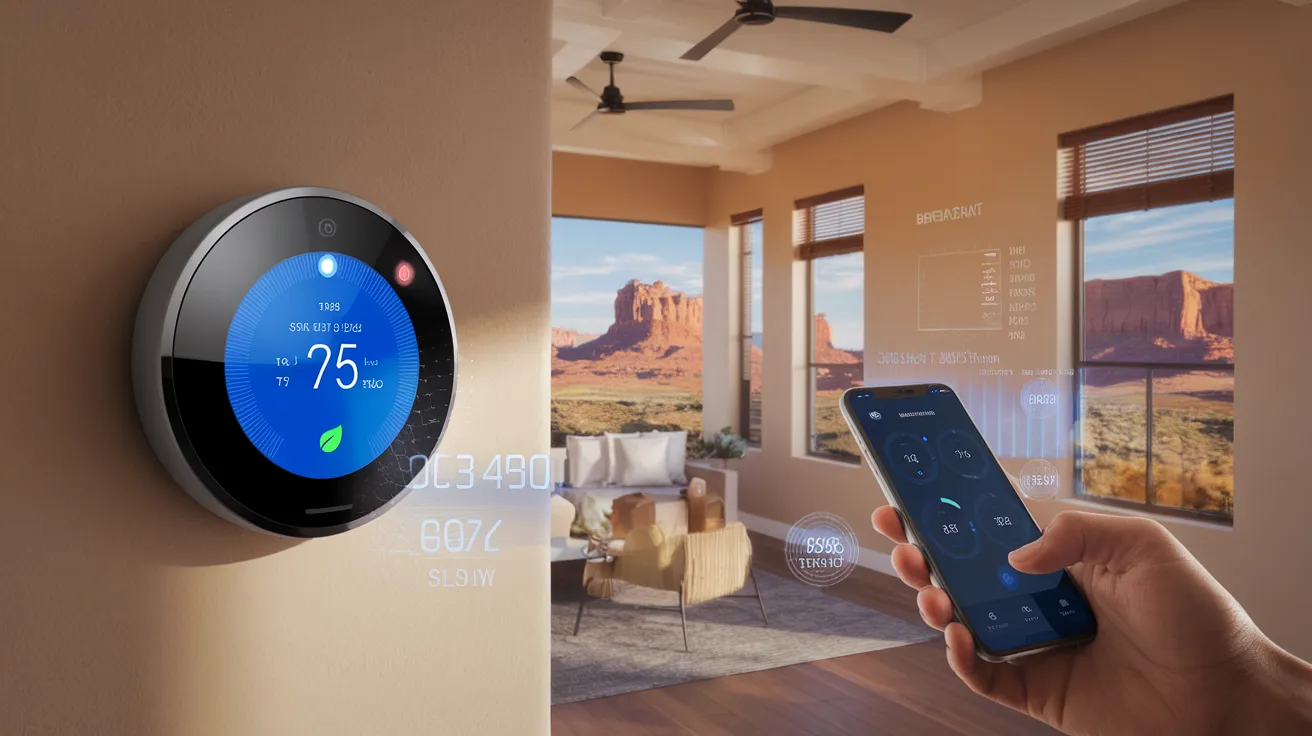
For those searching for a practical method to reduce energy consumption this summer, a smart thermostat may be the game changer you need. Having the capability to adapt to your routine and regulate temperature as needed, it's a leap beyond conventional thermostats. The value of a smart thermostat extend past simple convenience. Through implementing one, you're actively deciding to enhance energy performance in your home, and this produces significant energy savings. You can also manage from anywhere it through an app, offering even more flexibility. Fundamentally, a smart thermostat puts you in full control of your home's energy use, maintaining comfort in the Southern Utah heat without excessive costs.
Essential Landscaping Tips for Better Cooling and Energy Efficiency
Although a smart thermostat is an here impressive means of managing energy use in your home, another effective method comes from smart landscaping. Planting shade trees at the south and west sides of your home will lower your air conditioning needs considerably. These leafy giants serve as natural shields against the sun's heat, supporting outdoor cooling.
Think about incorporating xeriscaping plants within your garden. These drought-resistant varieties demand reduced water, conserving this precious resource. Additionally, their natural capacity to flourish in high-temperature conditions helps create a more pleasant atmosphere.
Lastly, steer clear of highly absorbent materials for patios or walkways. Select reflective surfaces in their place. They bounce back the sun's rays, further reducing heat around your home and improving your energy efficiency.
Popular Questions
How Does Humidity Impact Energy-Efficient Cooling Across Southern Utah?
Moisture levels influence the energy efficiency of your cooling system. Humid air requires more energy to cool, resulting in increased energy consumption. As a result, using a dehumidifier can help reduce your AC's workload and reduce your energy costs.
What Are the Most Energy-Efficient Options Besides Air Conditioning?
You can consider evaporative coolers and ceiling fans as energy-efficient alternatives to air conditioning. They're effective, consume less power, and reduce your energy footprint. It's an efficient, cost-effective solution for maintaining comfort in Southern Utah.
Can Solar Energy Power Efficient Cooling Systems
Absolutely, you have the ability to use solar power for efficient cooling. Solar cooling systems utilize solar panel efficiency to power your cooling requirements, making it a environmentally friendly, economical option to traditional air conditioning.
How Do Evening Temperatures Impact Energy Efficiency?
During cooler evening hours, it's an ideal time to boost energy savings. Let the cool night air in by opening windows, helping decrease your AC usage. Note that strategically controlling nighttime cooling efficiently addresses varying temperatures.
What Tax Credits Are Available for Installing Energy-Efficient Cooling Systems?
You may be entitled to tax incentives when putting in energy-efficient cooling equipment. Explore state and national programs for rebates on installation. It's a smart way to lower your investment while minimizing your environmental impact and cooling costs during summer.
Summary
You're ready to conquer the Southern Utah heat this summer! Don't forget, an energy-efficient cooling system is easier to achieve than finding a snowball in the desert. With a proper AC, solid insulation, natural ventilation, regular maintenance, a smart thermostat, and well-planned landscaping, you can maintain a pleasant, comfortable home without excessive costs. You're not only saving energy, you're making a significant step towards eco-friendly living.